Explore the Top 10 Types of Flowers for Your Garden
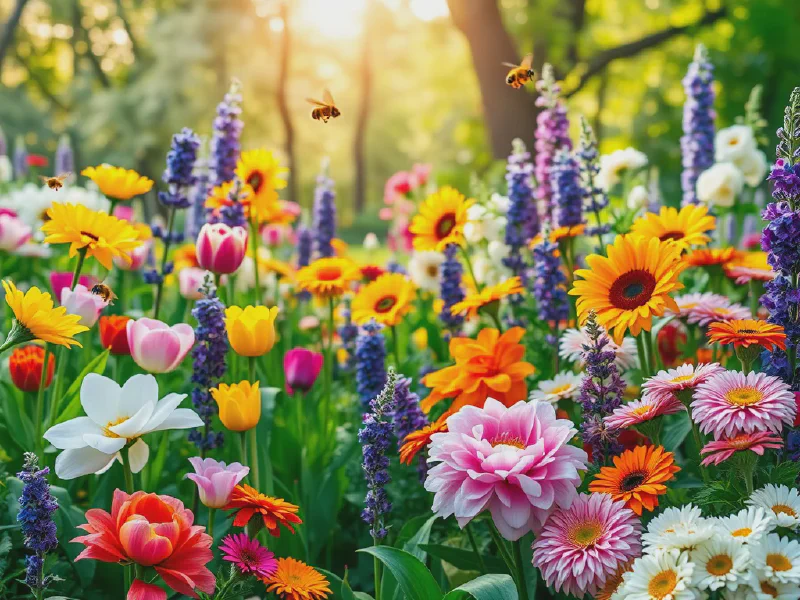
Exploring the Diverse Types of Flowers
Flowers are one of nature's most beautiful and diverse creations, with thousands of varieties that each offer unique colors, shapes, and fragrances. Understanding the different types of flowers not only enhances our appreciation for them but also aids in cultivation and selection for various purposes. In this article, we will explore the various types of flowers, their classifications, care requirements, and some special categories based on occasions and uses.
Types of flowers can be broadly categorized into several groups, including annuals, perennials, bulbs, and wildflowers. Each category provides unique benefits and aesthetic values, making them suited for different gardening scenarios and designs. Knowing the differences among these types of flowers can help flower enthusiasts and gardeners plan their gardens effectively and efficiently throughout the seasons.
Furthermore, the classification of flowers goes beyond their life cycles. Flowers can also be categorized based on their botanical characteristics, which include their morphological features and reproductive structures. This scientific approach adds depth to our understanding of flowers and helps cultivate various hybrids, enhancing their resistance and beauty.
Taking care of flowers involves understanding their specific needs concerning water, soil, fertilization, and pest control. By providing the appropriate care and maintenance, gardeners can ensure their flowers thrive and bloom beautifully. Additionally, different types of flowers are often chosen for various occasions, reflecting emotions or signaling significant life events, which adds a meaningful context to their presentation.
Finally, flowers are not just for embellishment; many types of flowers also have culinary and medicinal uses. Edible flowers can enhance dishes with flavor and aesthetics, while some possess healing properties valuable in herbal medicine. Growing such flowers adds another dimension to gardening, being both functional and beautiful.
Common Types of Flowers
Annual flowers are popular for their ability to bloom continuously throughout the growing season, providing vibrant colors and diversity. Examples include petunias, marigolds, and zinnias, which are frequently used in garden beds and containers to create stunning displays.
Perennial flowers, on the other hand, come back year after year, making them a long-term investment for any garden. Some well-known perennials include coneflowers, daisies, and peonies, which are cherished for their lasting beauty and ability to thrive in various climates.
Bulb flowers, like tulips and daffodils, are typically planted in the fall and burst into colorful blooms in the spring. Their vibrant colors and early blooming times make them favorites for spring gardens, signaling the end of winter.
Wildflowers are nature's gift, growing spontaneously in various habitats. They often thrive without cultivation and can bring a touch of natural beauty to gardens. Common wildflowers include poppies, bluebells, and daisies, which attract pollinators and enhance local biodiversity.
Flower Classification
The botanical classification of flowers categorizes them into families, genera, and species based on morphological characteristics, genetic relationships, and evolutionary history. Understanding this classification helps botanists and horticulturists communicate effectively about plants.
Characteristics of flowering plants include their reproductive structures, such as stigmas, stamens, petals, and sepals. These features play crucial roles in pollination and ensuring the continuation of plant species. Each type of flower has unique characteristics that aid in their identification and classification.
Deciduous flowers lose their foliage in the winter while evergreen flowers maintain their leaves throughout the year. This classification can influence how gardeners choose plants for their landscapes, depending on the desired seasonal appearance and maintenance preferences.
Hybrid flowers result from crossbreeding different species to create new varieties that showcase desirable traits like enhanced colors, larger blooms, and improved disease resistance. Many popular flowers we see in gardens today are hybrids, developed to offer better resilience and beauty.
Flower Care and Maintenance
Watering is essential, and different types of flowers have varying water needs. While some flowers thrive in well-draining soil with moderate watering, others may prefer consistent moisture. Gardeners should pay attention to the specific needs of each type of flower to promote healthy growth.
Soil types also significantly affect flower growth. Sandy soils provide excellent drainage but may require regular amendments for nutrient retention, while clay soils can hold moisture but may need aeration. Understanding the soil requirements of specific flowers can enhance their overall health.
Fertilization techniques differ among various types of flowers. Using slow-release fertilizers can provide a steady supply of nutrients, encouraging flowering. Additionally, composting can improve soil health and boost the nutrient profile for different flower types.
Pest control is crucial for maintaining the health of flowering plants. Organic methods, such as introducing beneficial insects or using neem oil, can effectively manage infestations without harming the plants or the environment. Regular inspections and integrated pest management strategies can help keep flowers thriving.
Types of Flowers for Different Occasions
Wedding flowers play a significant role in many ceremonies, symbolizing love and commitment. Roses are classic choices for elegance, while lilies and peonies offer unique beauty and meanings, enhancing the atmosphere of the celebration.
Flowers are also popular for birthdays and celebrations, with bright arrangements creating festive moods. Sunflowers, daisies, and colorful mixed bouquets are commonly used to spread joy and cheer on special days.
Funeral flowers convey sympathy and respect, often chosen for their meanings and colors. White lilies, chrysanthemums, and roses are frequent choices, reflecting the sentiments associated with loss and remembrance.
Seasonal flowers cater to specific festive arrangements, with poinsettias for Christmas, daffodils and tulips for Easter, and vibrant sunflowers for summer gatherings. Understanding seasonal availability allows for more authentic decor and celebrations.
Culinary and Medicinal Flowers
Edible flowers add unique flavors and visual appeal to cooking. Flowers like nasturtiums, violets, and calendula can be incorporated into salads, desserts, and teas, offering delightful culinary experiences.
Certain herbs also flower, providing both culinary uses and attractive blooms. Basil, cilantro, and dill not only enhance dishes but also add beauty to gardens and attract pollinators.
Medicinal properties of specific flowers, such as chamomile, lavender, and echinacea, have long been recognized in herbal medicine, offering various health benefits ranging from relaxation to immune support.
Growing edible and medicinal flowers requires attention to their specific needs, such as sun exposure and soil type. With proper care, gardeners can cultivate a beautiful and functional garden that enhances both culinary and health benefits.